


The Concept of Luck in Gambling
In the realm of gambling, luck is often viewed as a mystical force that can sway the outcomes of games far beyond the influence of skill or strategy. Players frequently attribute their wins or losses to luck, creating a narrative that enhances the thrill of playing at casinos, especially when they seek out the best non gamstop casino uk for their gaming experiences. This belief in luck plays a significant role in the psychology of gamblers, often leading them to feel more optimistic or pessimistic about their chances based merely on past experiences. Understanding the duality of luck and skill helps players navigate their gaming choices more effectively.
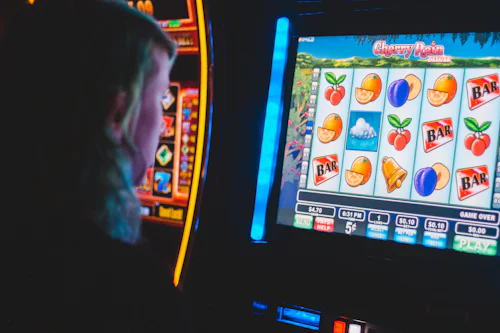
Many gamblers approach games like slots, where results are determined by random number generators, with the hope that luck will be on their side. This idea fuels the excitement and anticipation that many players experience while waiting for the reels to spin. Conversely, games of skill such as poker or blackjack require a deeper understanding and strategic thinking; however, luck still intertwines with skill as the distribution of cards can make or break a game. This blend of chance and expertise presents a unique dynamic that keeps players engaged.
Ultimately, the perception of luck in gambling can lead to both positive and negative consequences for players. On one hand, believing in luck can encourage individuals to take risks and try their hand at different games. On the other hand, an over-reliance on luck might cause players to ignore essential strategies, leading to potential financial losses. Recognizing how luck operates within the context of casinos can provide crucial insights into a player’s overall gambling experience.
The Role of Probability in Casino Games
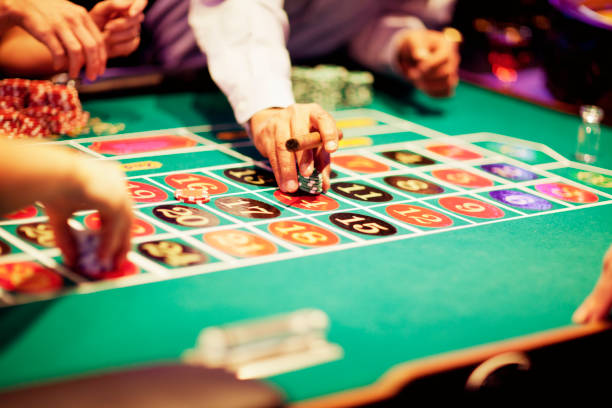
Every casino game is founded on the principles of probability, which dictates the likelihood of various outcomes occurring during gameplay. For example, in roulette, players can calculate the odds of the ball landing on a particular number, while in games like craps, the probabilities of rolling specific combinations can influence betting strategies. By understanding these probabilities, players can make informed decisions that may lead to better outcomes, even when luck is a factor.
While luck can undoubtedly impact short-term results, probability guides the long-term expectations of players. Casinos operate based on a house edge, which ensures that over time, they will come out ahead. This mathematical reality can sometimes be overlooked by players who focus solely on the role of luck in their immediate experiences. A strategic approach that combines an understanding of probability with a sprinkling of good fortune may enhance the overall gaming experience.
In essence, while luck can play a significant role in the outcomes of casino games, players should also acknowledge the importance of probability and strategy. By equipping themselves with knowledge of the odds, gamblers can make better choices, manage their bankroll effectively, and enjoy a more fulfilling experience in the casino environment. As such, the interplay between luck and strategy should be recognized as a crucial component of successful gaming.
The Psychological Impact of Luck on Gamblers
The belief in luck can have profound psychological effects on gamblers, influencing their decision-making processes and emotional responses during play. For instance, a player who experiences a winning streak might feel an enhanced sense of confidence, leading them to take bigger risks or increase their wagers. Conversely, a streak of bad luck can have the opposite effect, causing anxiety or discouragement that may lead to poor decisions, such as chasing losses or betting beyond their means.
Cognitive biases often amplify these emotions. The gambler’s fallacy, for example, leads players to believe that past events can influence future outcomes, which can skew their understanding of luck in games of chance. If a player has lost multiple hands in poker, they might irrationally believe that they are “due” for a win. This psychological trap can lead to unwise betting behavior and increased losses, detracting from the enjoyment that casinos are designed to provide.
To mitigate these psychological effects, it’s important for players to maintain a balanced perspective on their experiences in casinos. Setting limits, practicing mindfulness, and focusing on the entertainment value of gambling can help players navigate the highs and lows more effectively. By recognizing the dual roles of luck and psychology, gamblers can create a healthier relationship with the gaming experience, enhancing their enjoyment and minimizing potential harm.
Strategies to Leverage Luck and Skill
While luck plays a prominent role in gambling, players can adopt strategies that improve their chances of success. For example, in card games like blackjack, employing basic strategy charts can help players make optimal decisions based on the dealer’s upcard and their own hand. This combination of skill and circumstance can give players a better shot at favorable outcomes, allowing luck to work in their favor when the cards are dealt.
In games like slots, while the outcomes are purely based on chance, players can still employ strategies such as bankroll management and choosing games with higher return-to-player (RTP) percentages. Being mindful of the types of games selected and managing bet sizes can help mitigate losses and prolong gaming sessions, making luck appear to play a larger role over time.
Ultimately, adopting a balanced approach that combines an understanding of luck with strategic gameplay can enhance a player’s overall experience at the casino. Emphasizing skill when applicable while remaining open to the unpredictable nature of luck can lead to a more rewarding and enjoyable gambling journey. This blending of approaches allows players to appreciate the excitement while seeking out more favorable circumstances in their gaming endeavors.
Conclusion: Finding Balance in Luck and Strategy
In conclusion, the influence of luck on casino outcomes is an intricate interplay of chance, probability, and skill. While players may often attribute their fortunes to luck, a deeper understanding of the underlying mechanics of the games they play can significantly change their approach to gambling. Recognizing the limits of luck and embracing strategic thinking can lead to a more gratifying gaming experience.
As players become more aware of the role that psychology plays in their gambling behavior and the importance of probability, they can better navigate the highs and lows of casino gaming. By employing sound strategies, managing their bankrolls effectively, and fostering a healthy mindset, they can enhance their enjoyment of the experience while minimizing potential pitfalls.
Ultimately, gambling should be viewed primarily as a form of entertainment, with luck adding an element of excitement. By balancing luck with knowledge and strategy, players can enjoy their time at casinos while developing a more informed perspective on their outcomes. This approach not only enriches their gaming experiences but also ensures they stay engaged in a fun and responsible manner.
